
Ceylon Olive
Elaeocarpus serratus L.
Location
Botanical Garden
Family
Elaeocarpaceae
Common names
Ceylon Olive, Indian Olive, Veralu (Sri Lanka)
Native range
Indian subcontinent and Sri Lanka; Southeast Asia
Habitat
Tropical evergreen and semi-evergreen forests
Flowering
February – April
Fruiting
July – October
Conservation status
Not threatened, though in some regions it is mainly cultivated rather than occurring in the wild. Valued for its edible fruits, medicinal properties, and ornamental appeal
About this plant
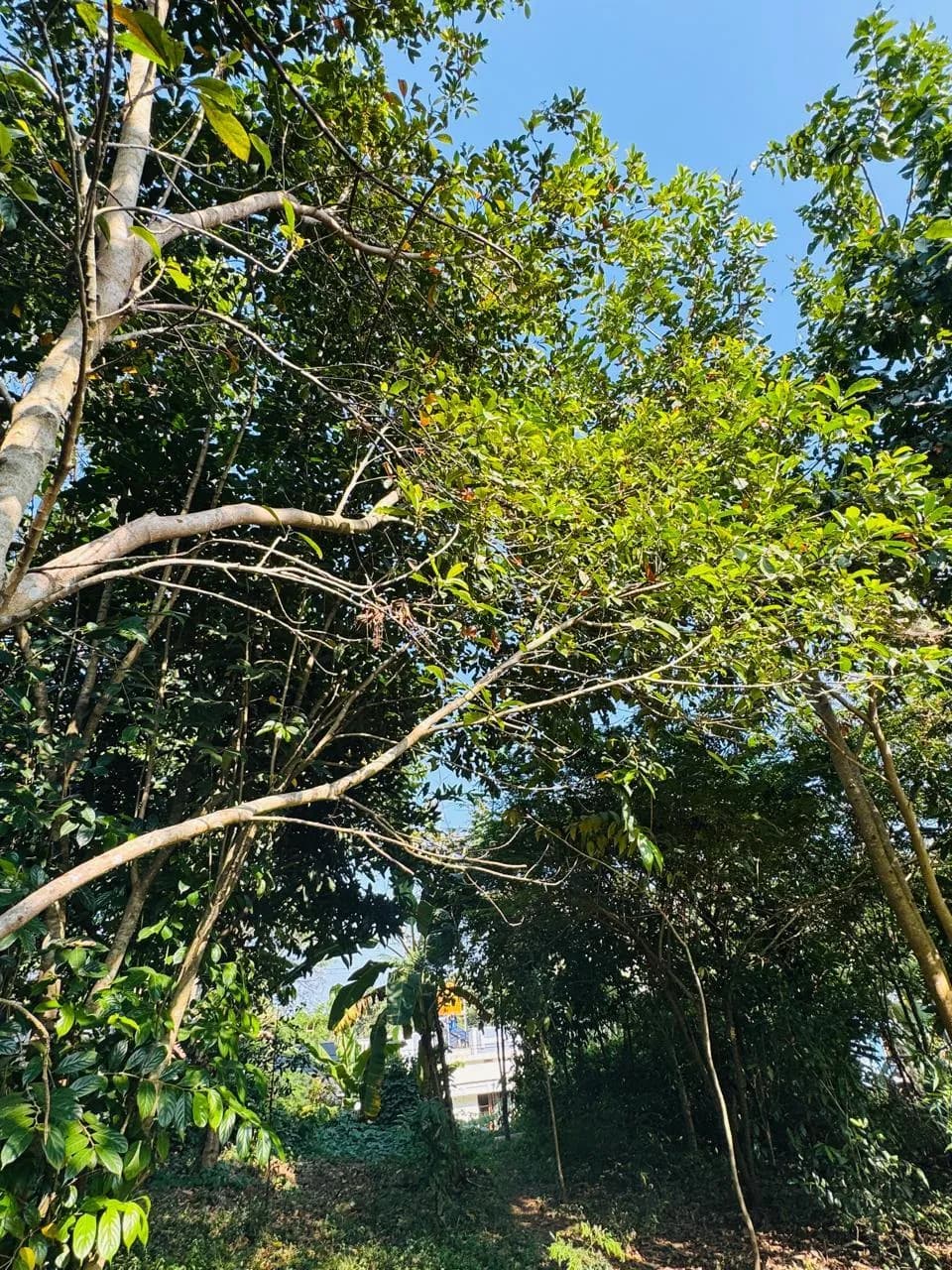
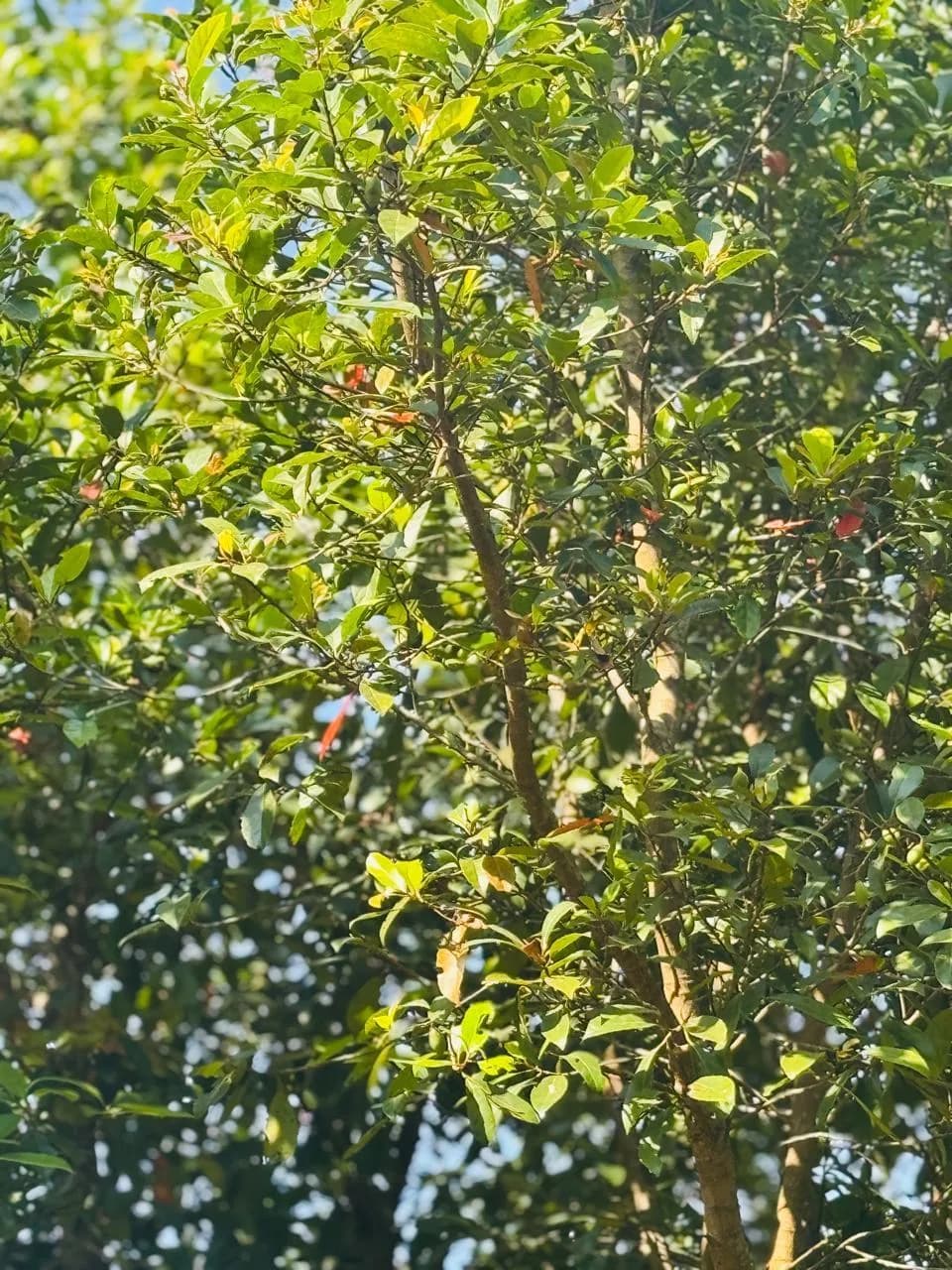
Elaeocarpus serratus is a medium to large evergreen tree, typically growing 15–25 metres tall, with a straight trunk and a dense, rounded crown. The bark is greyish-brown, smooth in young trees and becoming slightly rough and fissured with age. Leaves are simple, alternate, elliptic to oblong, with distinctly serrated margins, leathery texture, and glossy dark green upper surfaces. Young foliage often turns reddish or bronze before maturing. Flowers are white to cream-colored, fragrant, and borne in pendulous axillary racemes. Each flower has deeply fringed petals, a characteristic feature of the genus Elaeocarpus. Fruits are ellipsoid to ovoid drupes, green when immature and turning bluish or purplish at maturity. The fruit contains a hard, ridged stone (seed).
Uses
The fruits are edible and widely used in South Indian and Sri Lankan cuisine, often eaten raw, pickled, or used in chutneys. In traditional medicine, fruits, bark, and leaves are used for treating dysentery, diarrhea, skin diseases, fever, and wounds. The seeds are sometimes used for making rudraksha-like beads, though they are less commonly used for religious purposes than Elaeocarpus angustifolius. The tree is also planted as an ornamental and shade tree due to its attractive foliage and flowers.
Growing conditions
Thrives in full sun to partial shade and prefers deep, well-drained loamy soils with good moisture availability. Well adapted to humid tropical climates. It is moderately drought-tolerant once established but sensitive to prolonged dry spells and waterlogging. Suitable for home gardens, plantations, and agroforestry systems
Habit
Medium to large evergreen tree