
Rubber Tree
Hevea brasiliensis Müll. Arg.
Location
Boys Hostel
Family
Euphorbiaceae
Common names
Rubber Tree, Pará Rubber Tree, Seringueira
Native range
Amazon Basin of South America, including Brazil, Venezuela, Colombia, Ecuador, Peru, and Bolivia.
Habitat
Occurs naturally in tropical evergreen rainforests of the Amazon Basin, commonly growing in lowland moist forests, wetlands, riparian zones, forest gaps, and disturbed areas. It is also widely cultivated in tropical and subtropical regions worldwide, particularly in Southeast Asia and West Africa.
Flowering
Variable; often seasonal or year-round in plantations
Fruiting
Follows flowering under favourable conditions
Conservation status
Not threatened; extensively cultivated worldwide for latex and timber production
About this plant
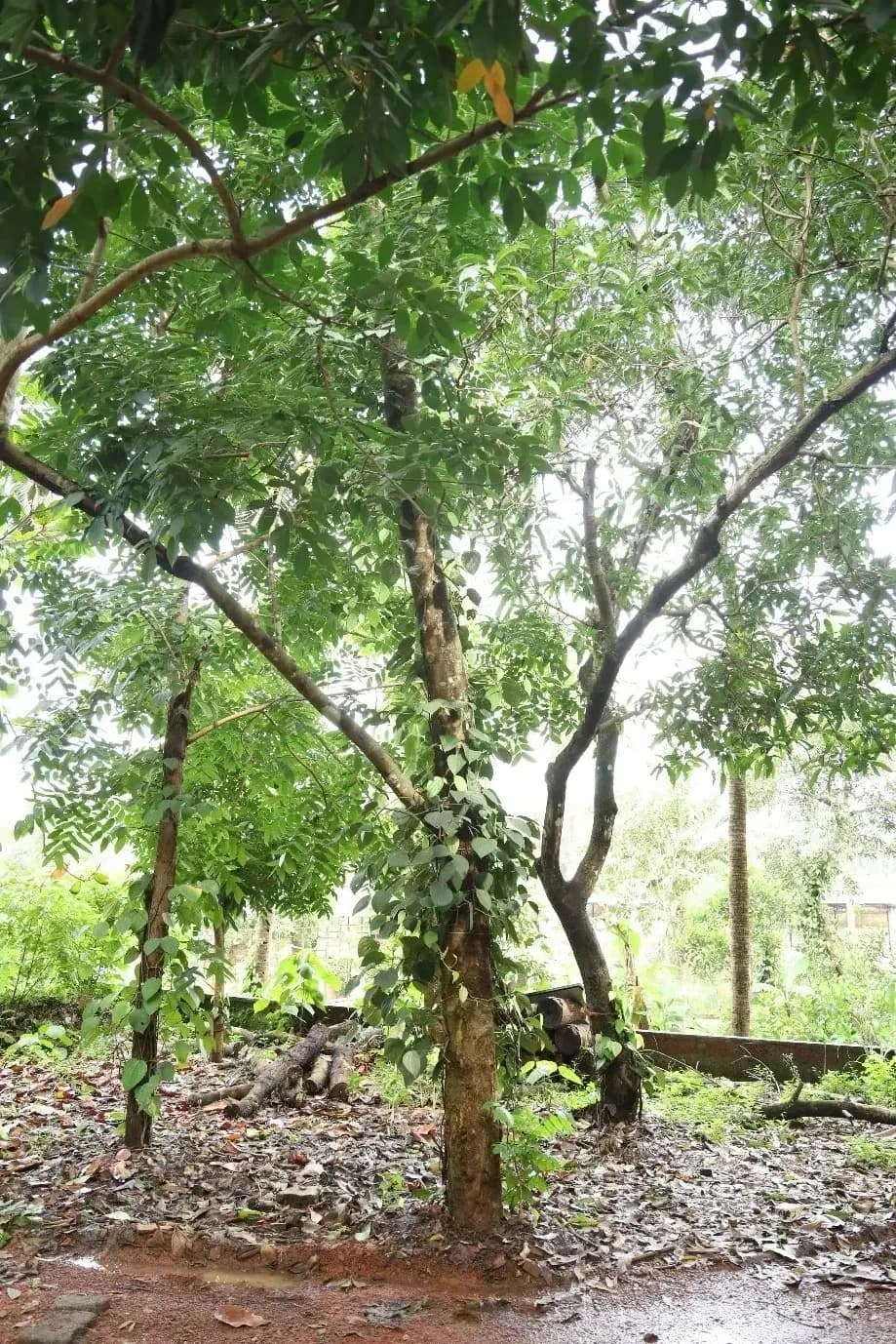
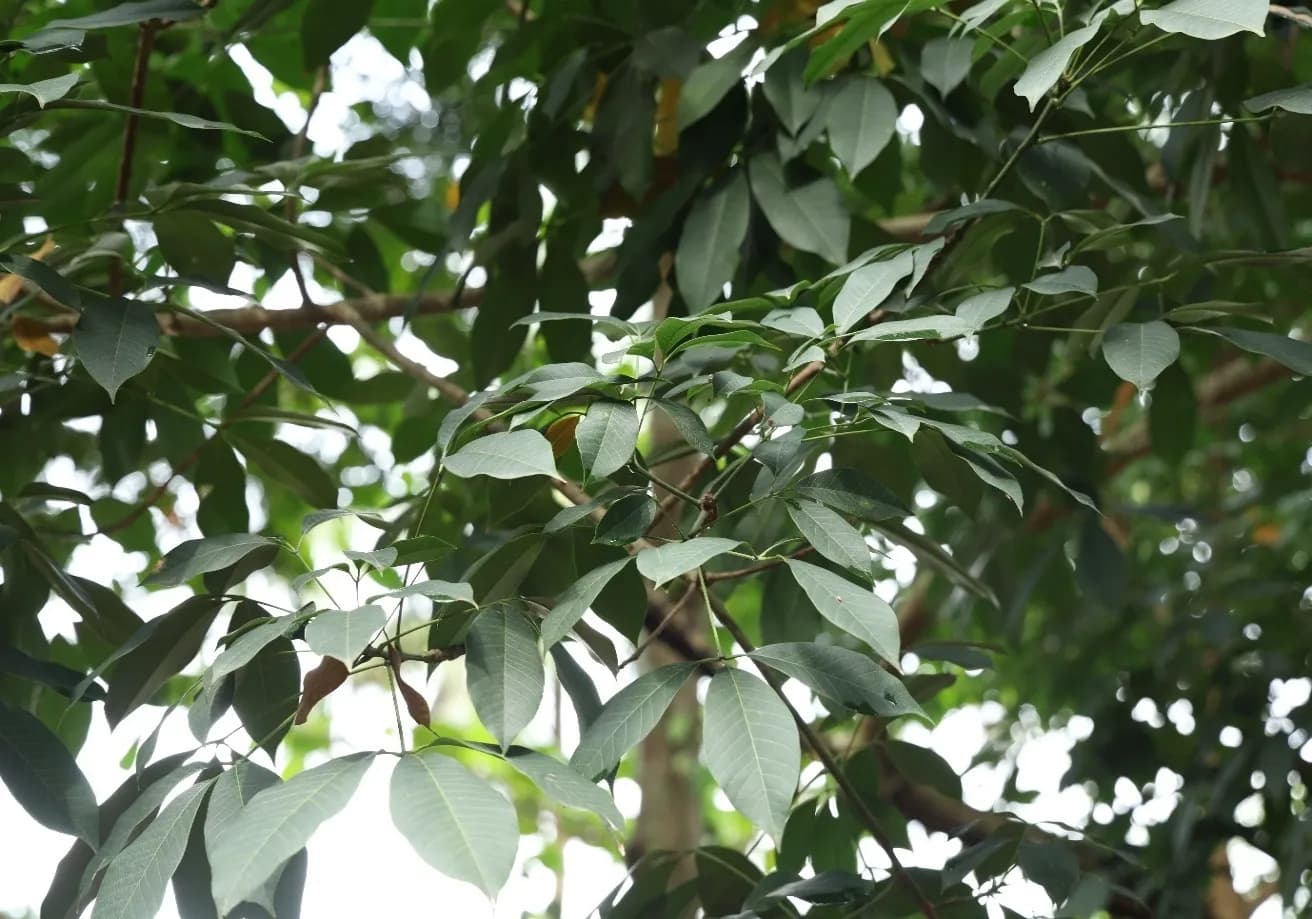
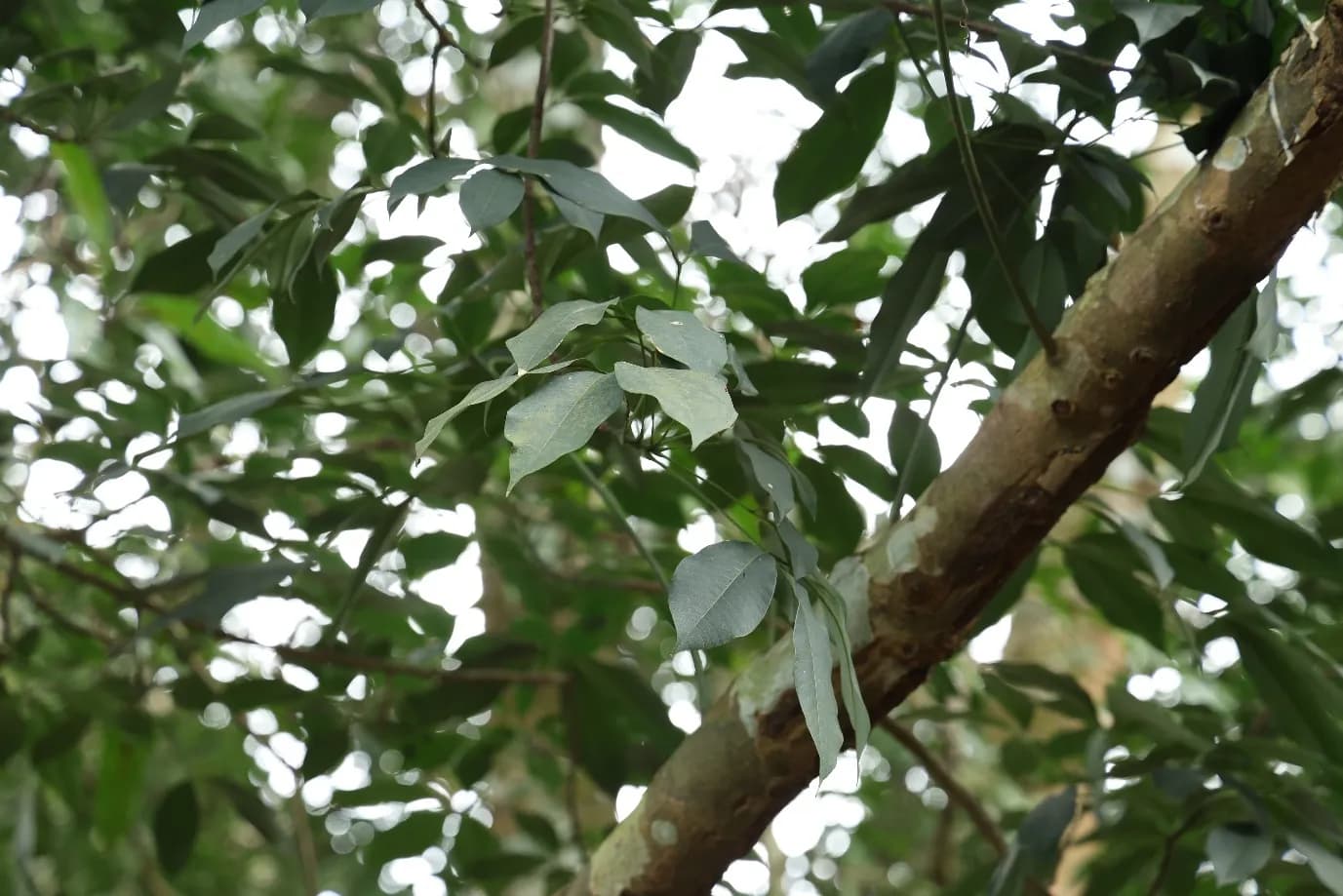
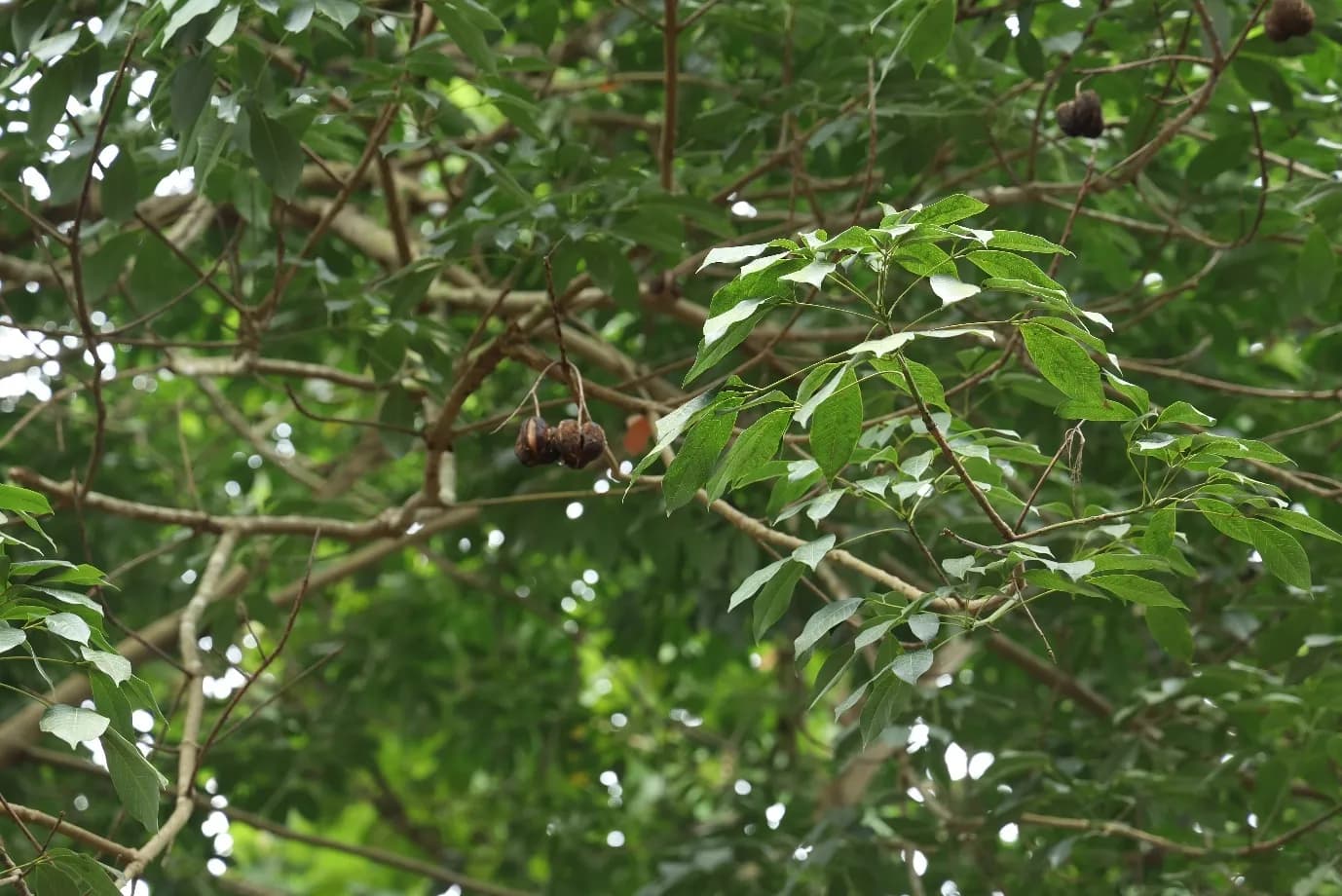
Leaves are alternate and palmately compound, with three elliptic, pointed leaflets. Flowers are small, unisexual, and borne in panicles. The fruits are capsules that split explosively, dispersing seeds up to 15 meters away. The tree produces abundant latex within specialized vessels in the bark.
Uses
The primary source of natural rubber, with latex tapped extensively for the commercial manufacture of products such as tyres, footwear, and various industrial goods. The wood, known as rubberwood, is utilized for furniture and other timber products once latex yield declines. Seed oil is also used in soap making and as an insecticidal agent.
Growing conditions
Thrives in humid tropical climates with annual rainfall exceeding 1,200 mm and well-drained soils. The species is sensitive to frost and prolonged drought and is generally cultivated below elevations of 400–500 meters for optimal growth and latex production
Habit
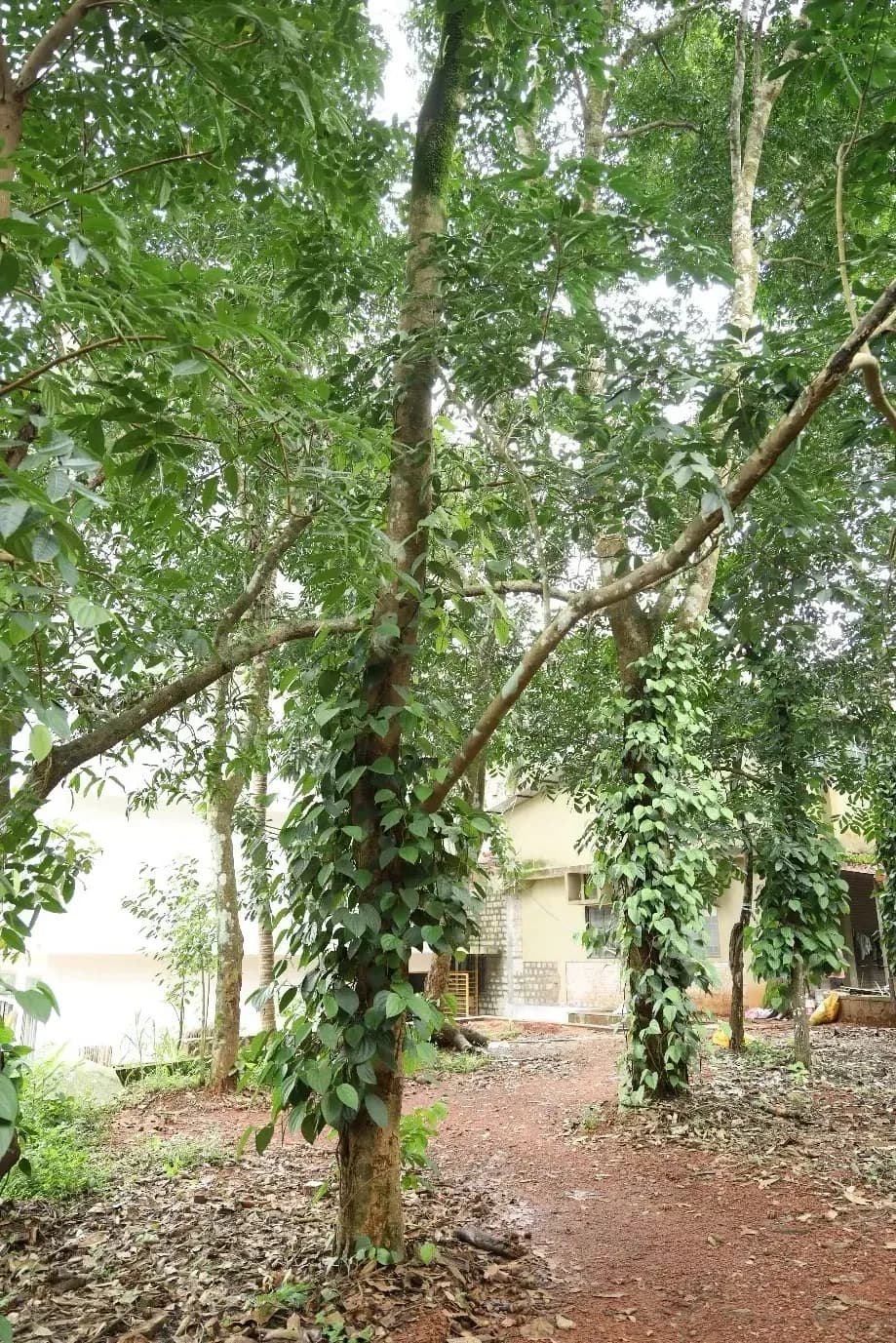
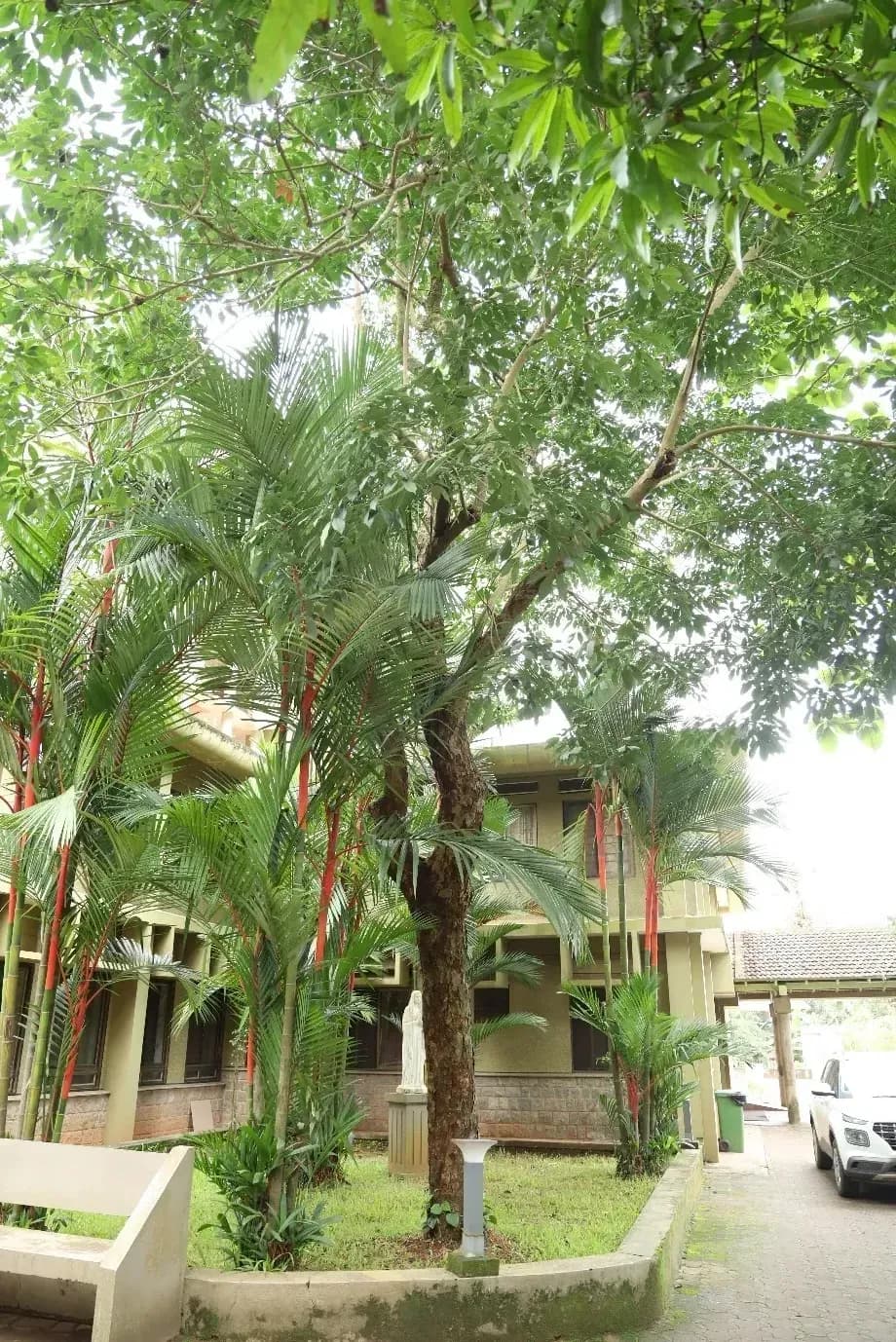
A tall deciduous tree that can reach up to 43 meters in the wild but is generally smaller in plantations (20–30 meters) due to regular latex harvesting. The trunk is cylindrical, with smooth to slightly fissured bark that exudes milky white latex when cut.