
Queen’s Crape Myrtle
Lagerstroemia speciosa (L.) Pers.
Location
Other Plants
Family
Lythraceae
Common names
Queen’s Crape Myrtle, Pride of India, Giant Crape Myrtle, Banaba
Native range
Indian subcontinent and Southeast Asia
Habitat
Tropical and subtropical forests, riverbanks, and open woodlands
Flowering
May–September
Fruiting
May–September
Conservation status
Not globally threatened; widely cultivated and naturalized in tropical and subtropical regions
About this plant
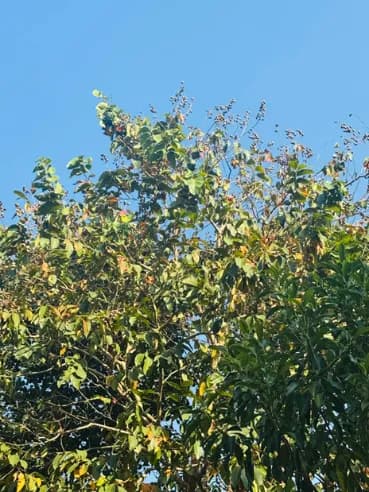
Lagerstroemia speciosa is a large, deciduous or semi-deciduous tree growing 15–25 metres in height, with a spreading crown and smooth, peeling bark revealing a mottled, light-colored trunk. Leaves are simple, opposite to sub-opposite, elliptic to ovate, glossy green, turning yellow before shedding. Flowers are large, showy, lilac to purple, borne in terminal panicles, and have a crinkled (crepe-like) appearance. Fruits are woody, capsule-like, containing many small seeds with winged appendages.
Uses
Ornamental: Widely planted for its striking flowers and attractive bark in parks, gardens, and avenues. Medicinal: In traditional medicine, leaves and bark are used for treating diabetes, kidney disorders, urinary problems, and digestive issues. Leaf extracts of Banaba are known to have hypoglycemic properties. Other uses: Wood is occasionally used for furniture and light construction; tree is valued for shade.
Growing conditions
Thrives in full sun and well-drained, fertile soils. Tolerates drought once established but benefits from regular watering. Sensitive to waterlogging. Prefers tropical and subtropical climates and responds well to pruning
Habit
Deciduous or semi-deciduous large tree