
Palash
Butea monosperma (Lam.) Taub.
Location
Botanical Garden
Family
Fabaceae
Common names
Palash, Flame of the Forest, Dhak, Tesu
Native range
Indian subcontinent and Southeast Asia
Habitat
Tropical and subtropical dry deciduous forests, open woodlands
Flowering
January–March
Fruiting
January–March
Conservation status
Not threatened; widely distributed and common across its native range
About this plant
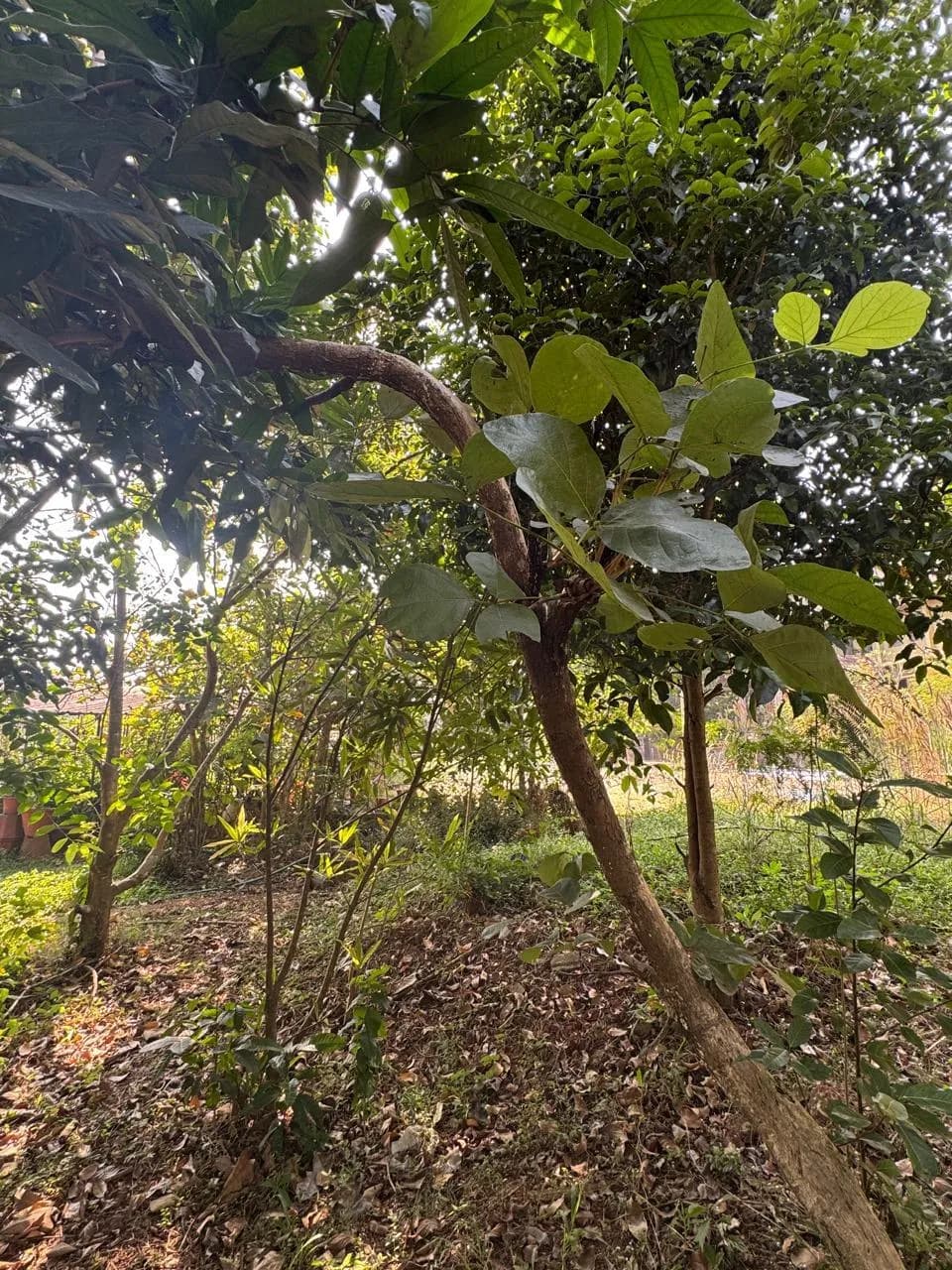
Butea monosperma is a medium-sized deciduous tree growing up to 10–15 metres in height, with a crooked trunk and irregular, spreading crown. Bark is greyish-brown and rough. Leaves are large, trifoliate, with leathery leaflets that are ovate to rhomboid. The tree is famous for its striking flowers, which are bright orange-red to scarlet, borne in dense clusters on leafless branches, giving a “flame-like” appearance. Fruits are flat, papery pods containing a single seed.
Uses
Palash holds great cultural and religious significance in India and is associated with festivals such as Holi, where its flowers are traditionally used to make natural colours. Medicinally, various parts of the plant are used in Ayurveda and folk medicine. The flowers are used as a tonic and for skin diseases; seeds are anthelmintic; gum (“Butea gum” or Bengal kino) is used for diarrhea and dysentery; bark is used for inflammation and ulcers. The tree is also valuable for lac cultivation, fodder, and fuelwood.
Growing conditions
Thrives in full sun and prefers well-drained sandy or loamy soils. Highly drought-tolerant and adapted to poor, dry soils. Does not tolerate waterlogging. Commonly found in open forests and wastelands
Habit
Medium-sized deciduous tree