
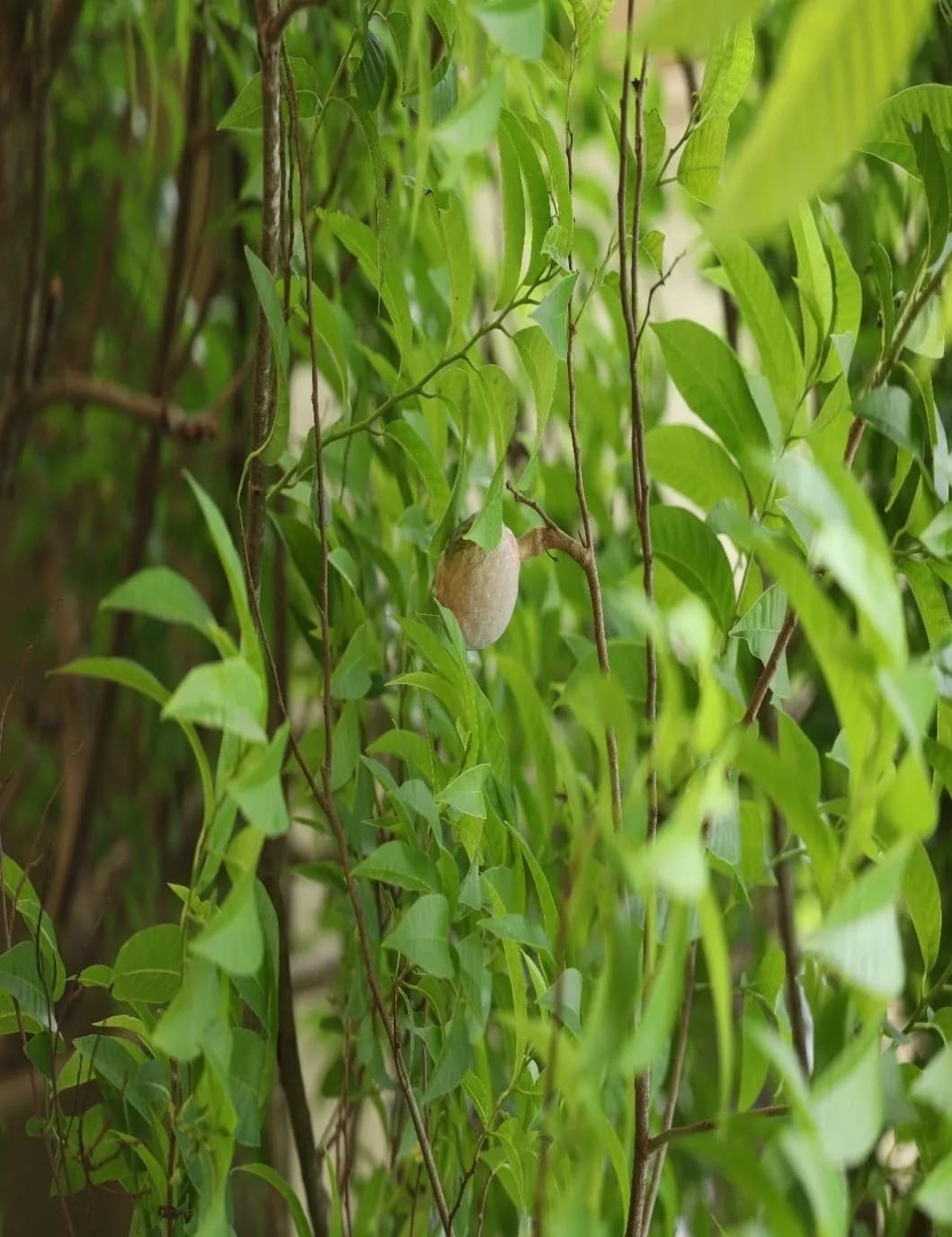
Sugar Apple
Annona squamosa L.
Location
Other Plants
Family
Annonaceae
Common names
Sugar Apple, Sweetsop, Sitaphal, Seethaphal, Custard Apple
Native range
Tropical Americas (possibly West Indies or Central America), now widely cultivated in India and Southeast
Habitat
Tropical and subtropical dry regions, often grown in home gardens and dry deciduous forests
Flowering
February–April
Fruiting
August–October
Conservation status
Least Concern (LC)
About this plant
Annona squamosa is a small, semi-deciduous tree or spreading shrub, growing up to 3–8 meters in height. The leaves are simple, alternate, oblong-lanceolate, and emit a strong Odor when crushed. Flowers are fragrant, yellow-green, and appear singly or in clusters on leafless branches. The plant is hermaphroditic but primarily cross-pollinated by insects. The fruit is a round or heart-shaped aggregate fruit (formed from multiple ovaries), 6–10 cm in diameter, with a bumpy or scaly surface that gives it a “sugar apple” look. The pulp inside is soft, creamy white, and sweet, enclosing numerous shiny black seeds.
Uses
The ripe fruit pulp is eaten fresh, used in milkshakes, ice creams, desserts, and jams. It is high in sugars, vitamin C, and dietary fiber. Medicinal: Used in traditional medicine as a cooling agent and for treating anaemia, ulcers, and digestive disorders. The leaves and seeds possess insecticidal and antiparasitic properties. Other: Leaves and bark are sometimes used in herbal remedies and seed extracts are used to kill lice (not for oral use due to toxicity).
Growing conditions
By seeds and grafting; prefers dry, warm climate with well-drained soil
Habit
Small deciduous tree or shrub