
Drumstick Tree
Moringa oleifera Lam.
Location
Civil New Block
Family
Moringaceae
Common names
Drumstick Tree, Moringa, Nugge mara (Kannada)
Native range
Northwestern India
Habitat
Tropical and subtropical regions; commonly grown in backyards and farms
Flowering
Usually begins 6–8 months after planting
Fruiting
Year-round in favourable conditions; main yield in spring and summer
Conservation status
Not Evaluated (widely naturalized and cultivated)
About this plant
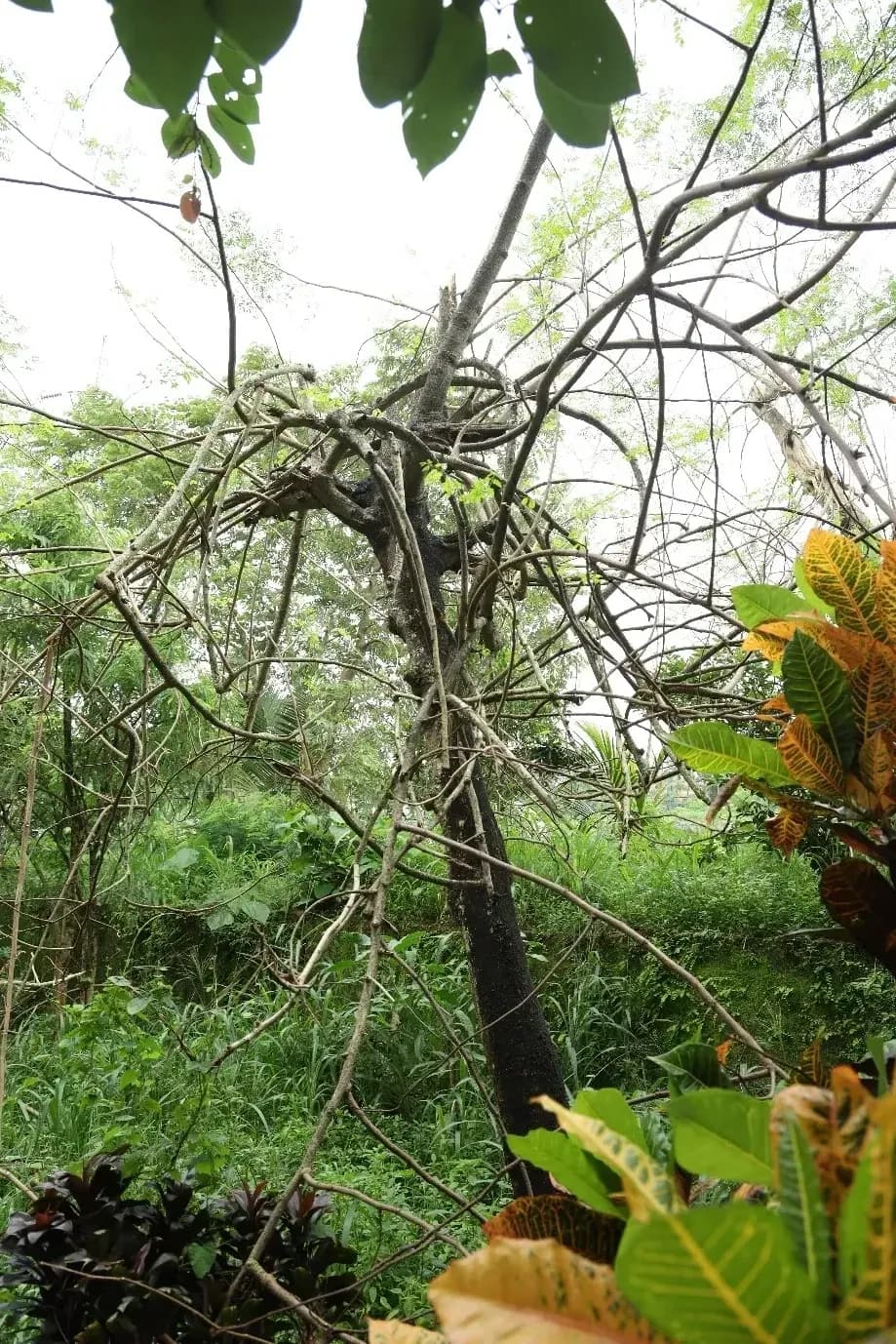
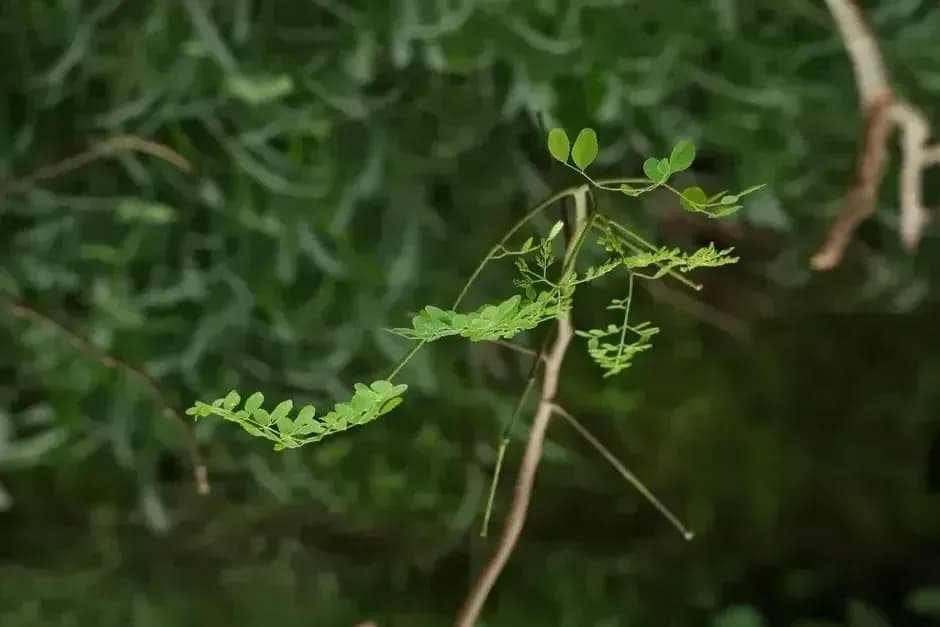
The tree produces long, slender triangular seed pods known as drumsticks. Leaves are compound with many small leaflets. Flowers are small, white to cream-colored, fragrant, and bisexual. The bark exudes a gummy resin.
Uses
Highly valued for its nutritional benefits; leaves, pods, seeds, and flowers are edible and rich in vitamins and minerals. Traditional medicine uses it for anti-inflammatory, antioxidant, and antimicrobial benefits. It is also used for water purification and as animal fodder.
Growing conditions
Prefers full sun and well-drained soil. Requires moderate rainfall (250–3000 mm annually). Thrives in warm, dry climates with minimal water after establishment but benefits from irrigation for optimum growth
Habit
Fast-growing, deciduous tree