
African Tulip Tree
Spathodea campanulata P. Beauv.
Location
2 Wheeler parking
Family
Bignoniaceae
Common names
African Tulip Tree, Nandi Flame, Fountain Tree
Native range
Tropical West and Central Africa
Habitat
Occurs naturally in moist lowland forests and is commonly cultivated in tropical regions as an ornamental tree.
Flowering
Year-round in humid tropical regions, with peak flowering during the dry season (February–April in India)
Fruiting
Fruits mature about 2–3 months after flowering, releasing winged seeds in the dry season
Conservation status
Least Concern (LC); widely cultivated, though considered invasive in some non-native regions
About this plant
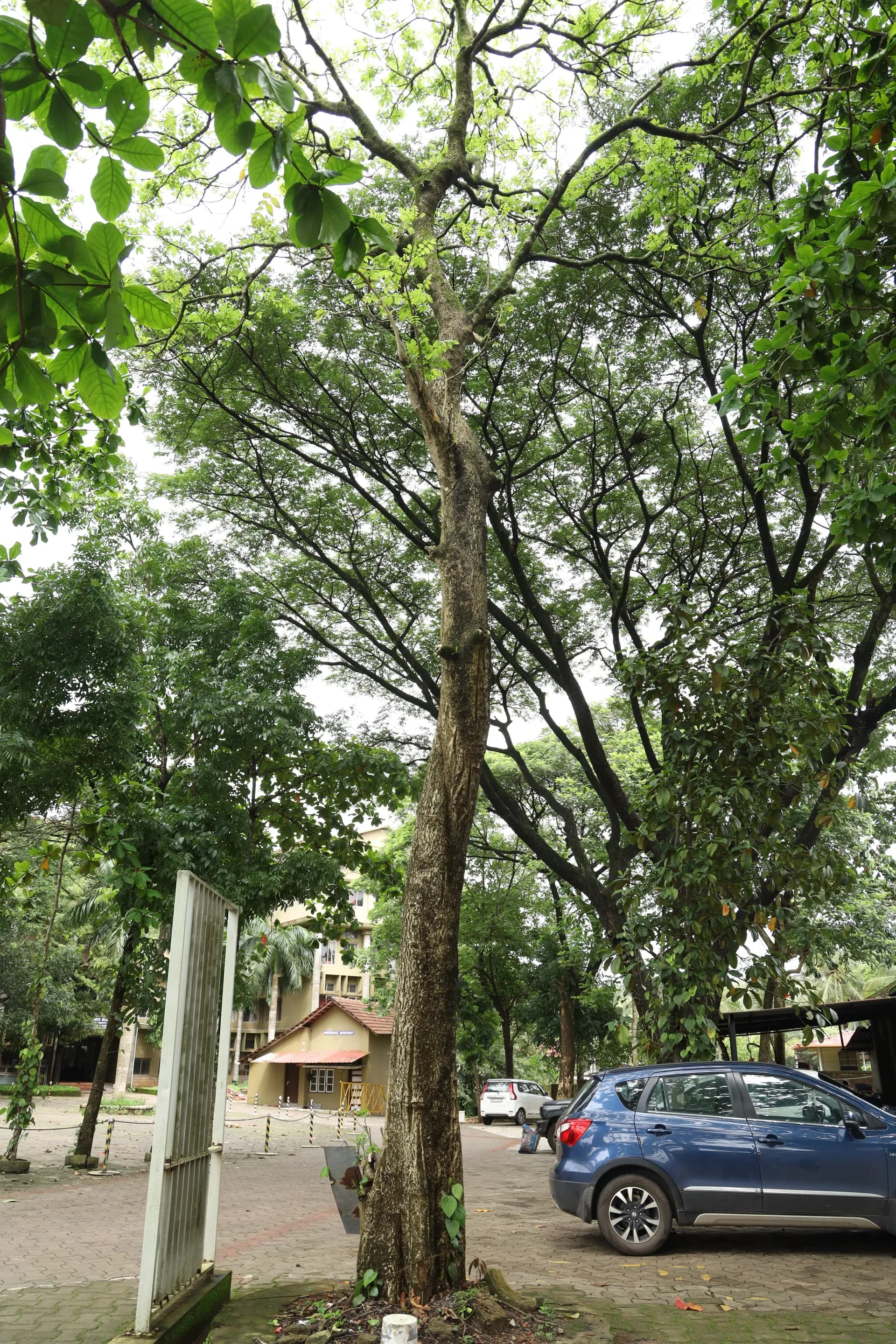
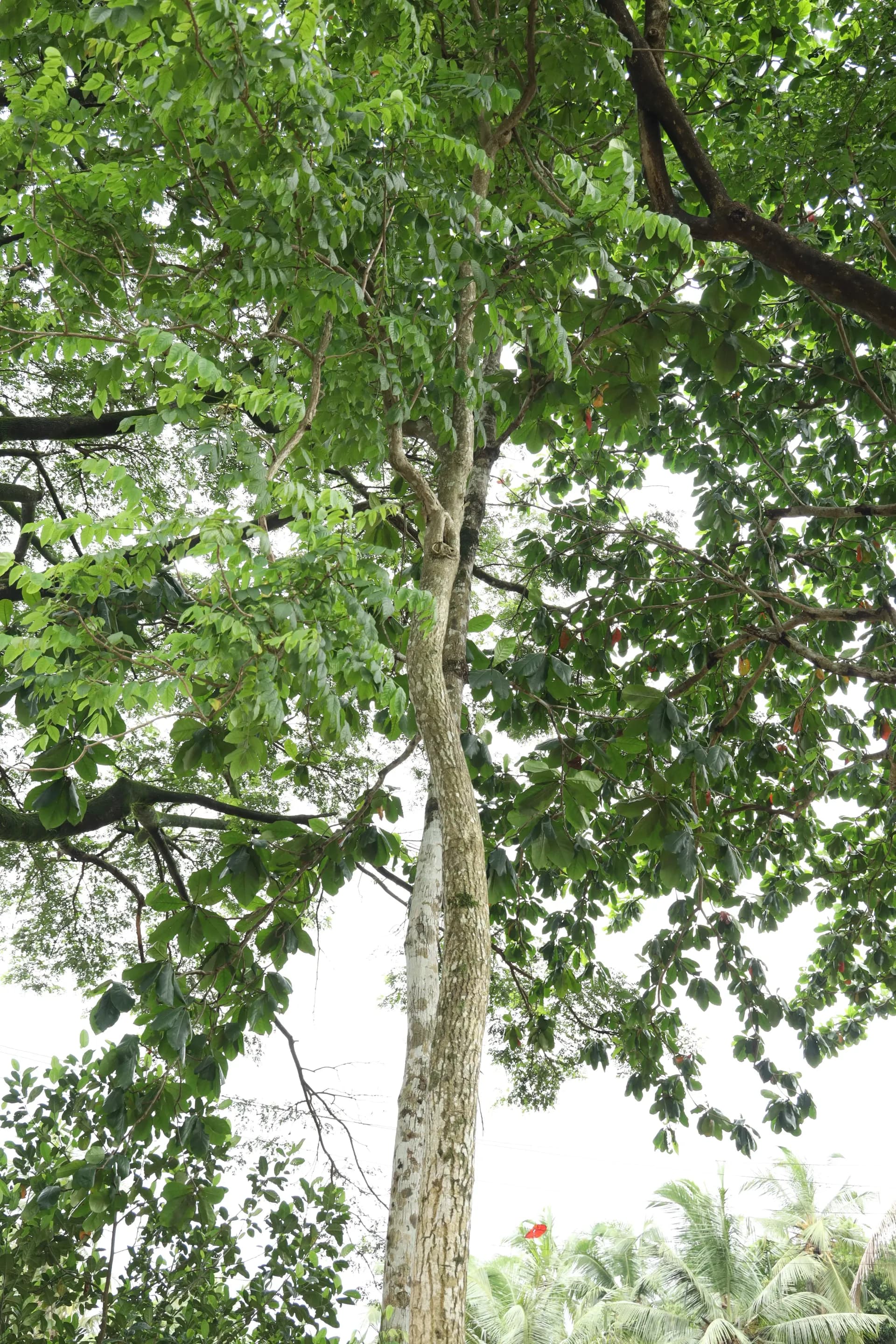
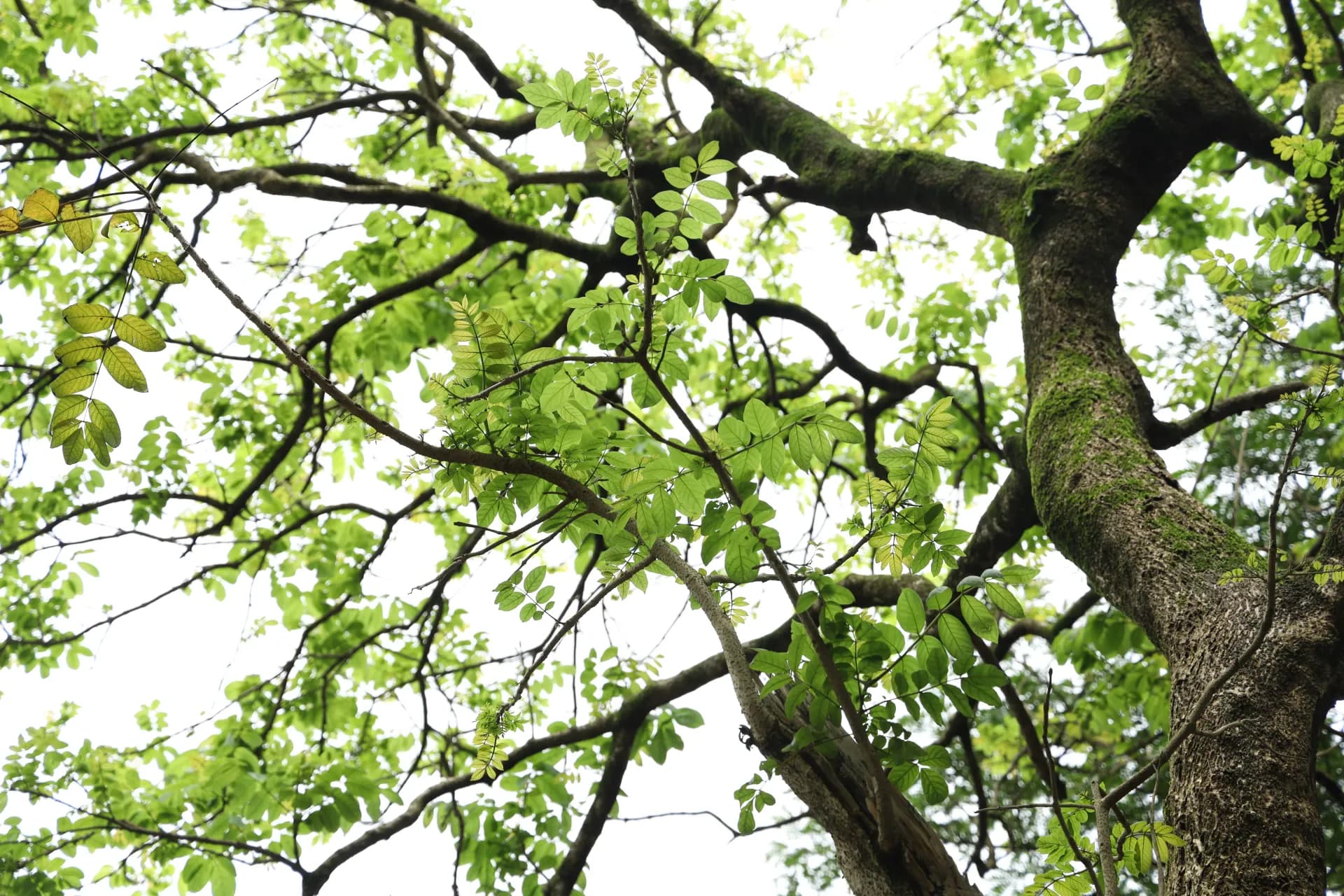
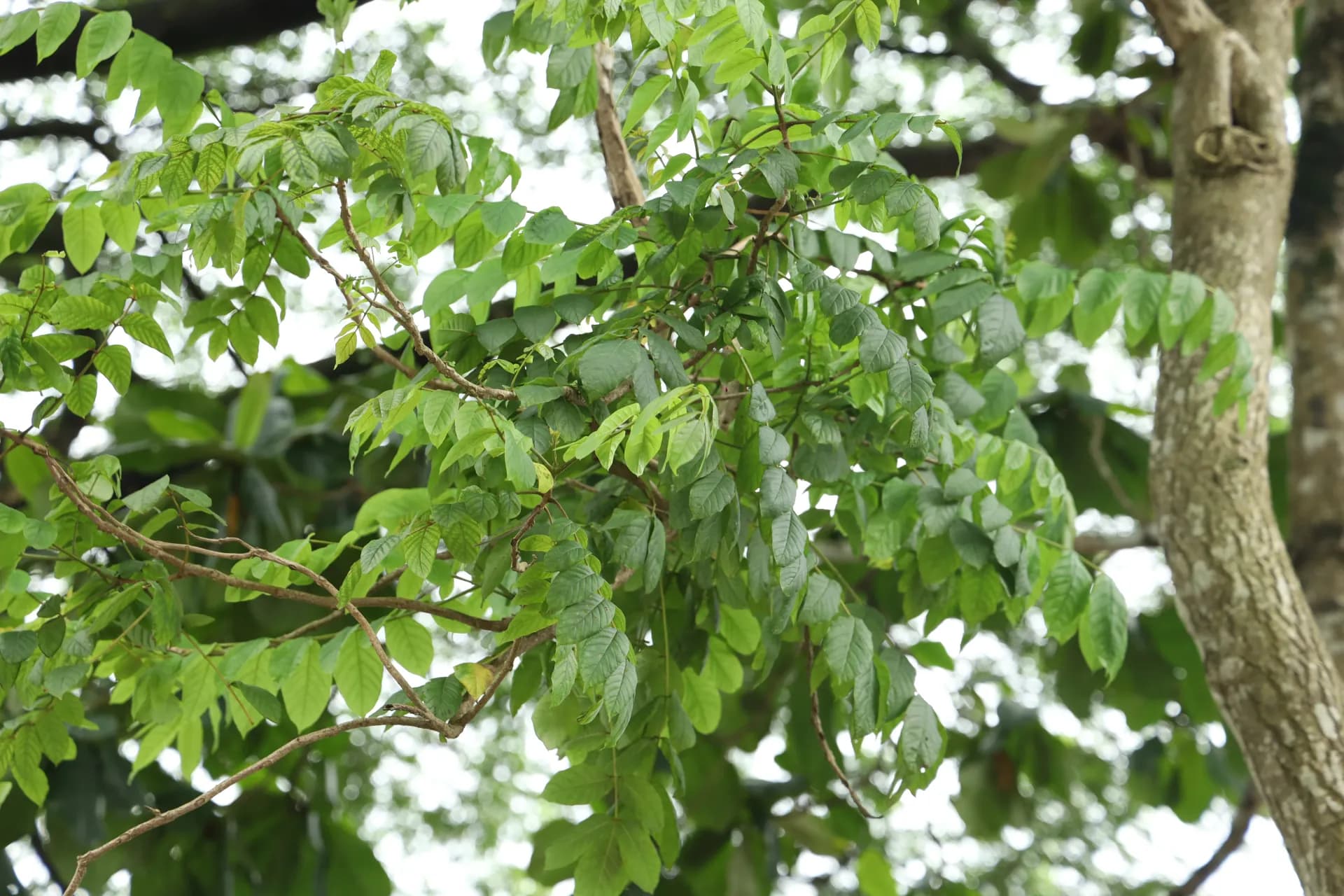
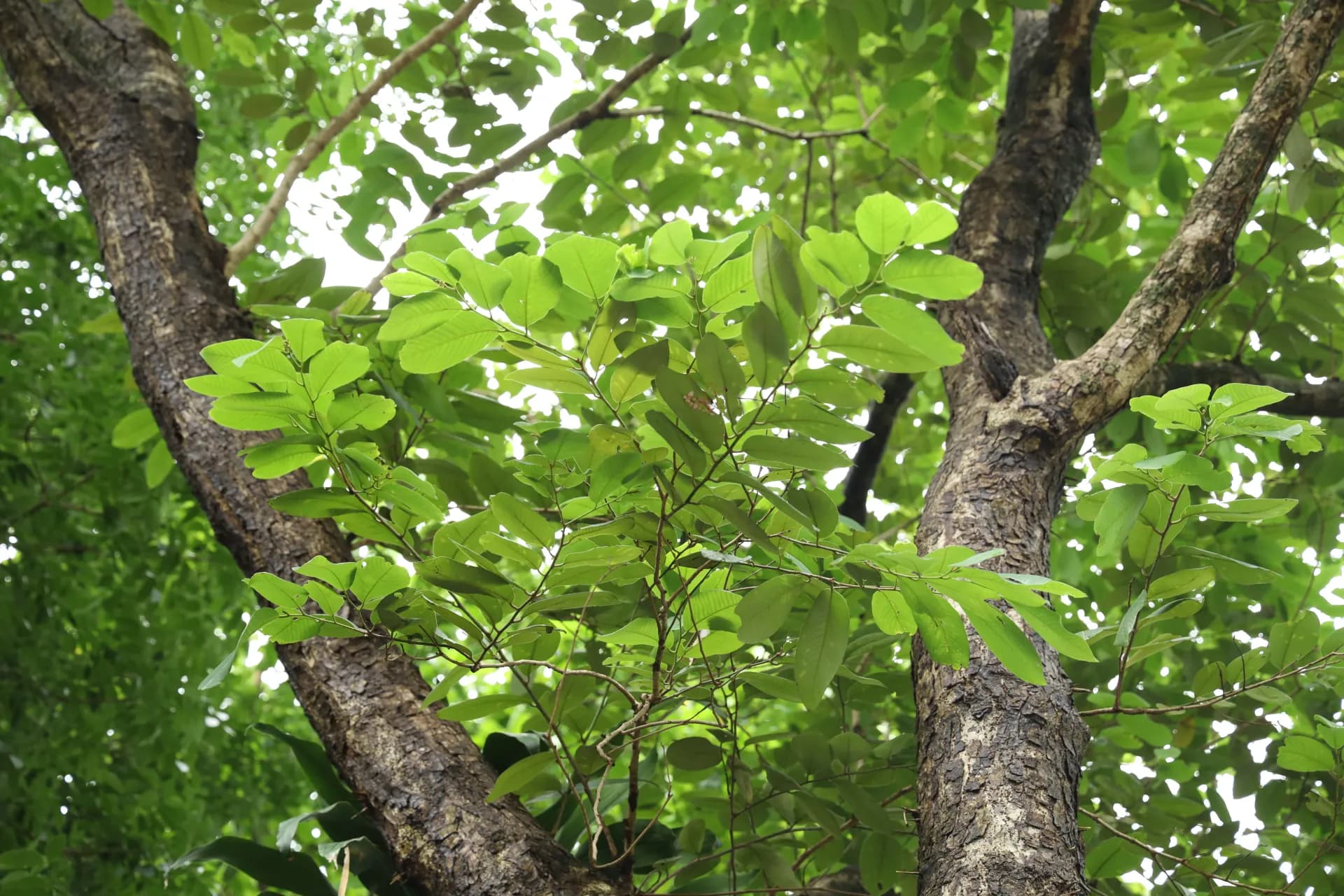
Leaves are opposite and pinnate, consisting of 5–19 oval leaflets. The tree produces large, showy, trumpet-shaped flowers that are orange-red to scarlet in colour and borne in terminal clusters. The fruits are long, boat-shaped, woody pods that split open at maturity to release numerous papery, winged seeds that are dispersed by wind.
Uses
Widely cultivated as an ornamental tree for its spectacular flowers and used in avenue planting, gardens, and parks. It is also planted as a shade tree in urban landscapes. In parts of Africa, the bark, leaves, and flowers are used in traditional medicine for treating wounds, skin conditions, and infections.
Growing conditions
Thrives in warm tropical climates with adequate moisture. Grows best in well-drained soils and performs well under full sunlight. It is fast-growing under moist conditions and adapts well to urban environments
Habit
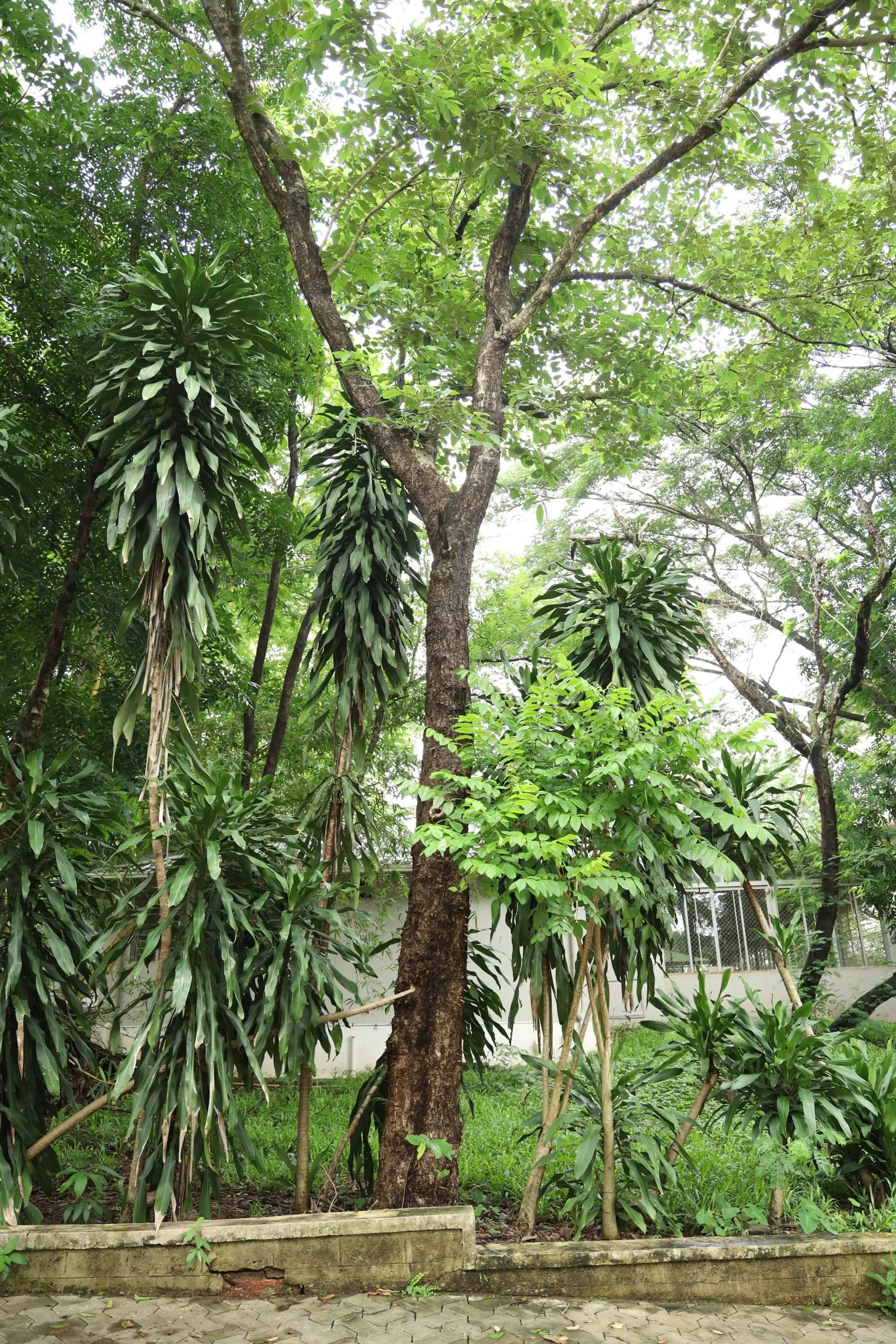
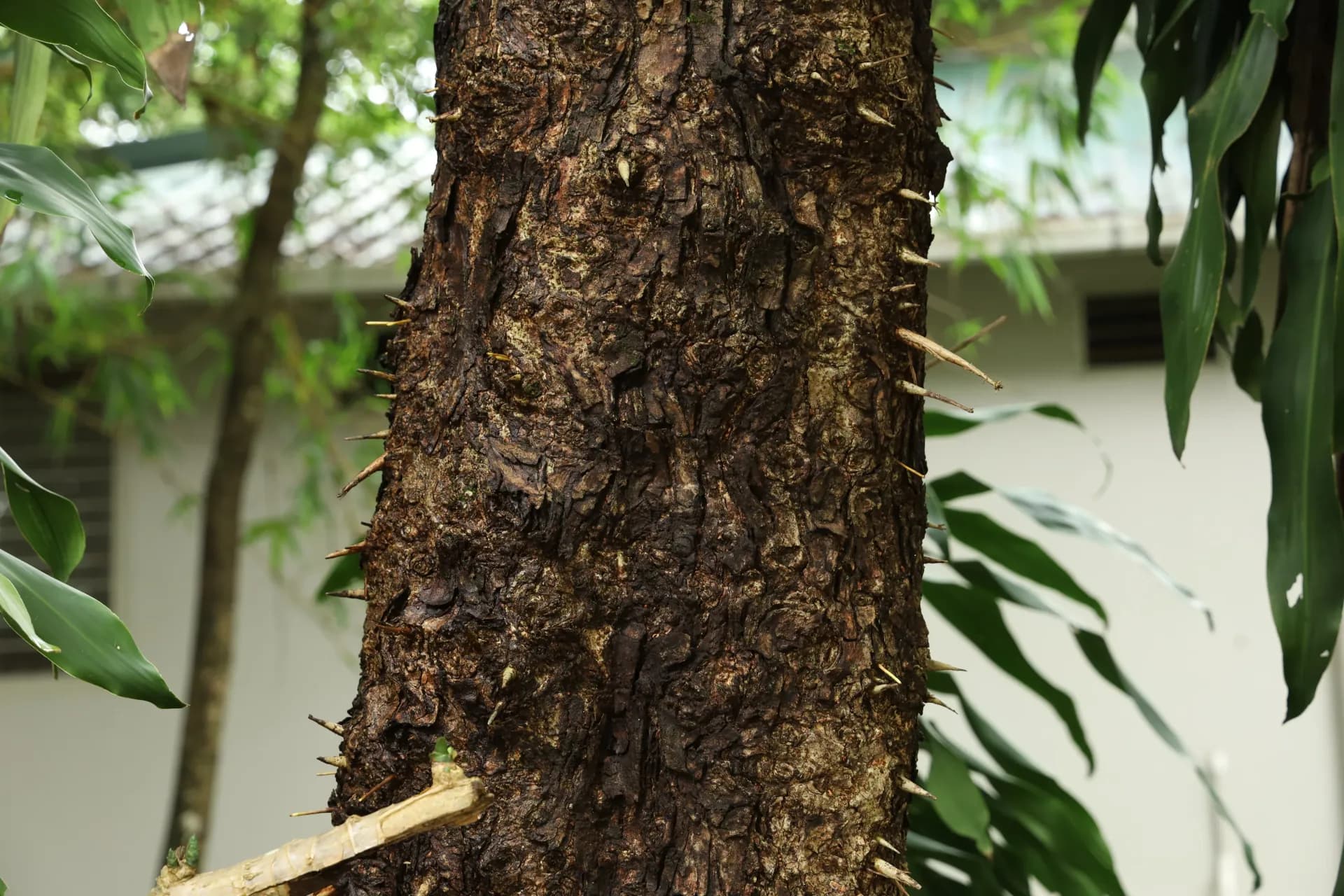
A medium to large evergreen tree, growing up to about 20–25 meters in height, with a straight bole and a rounded crown.