
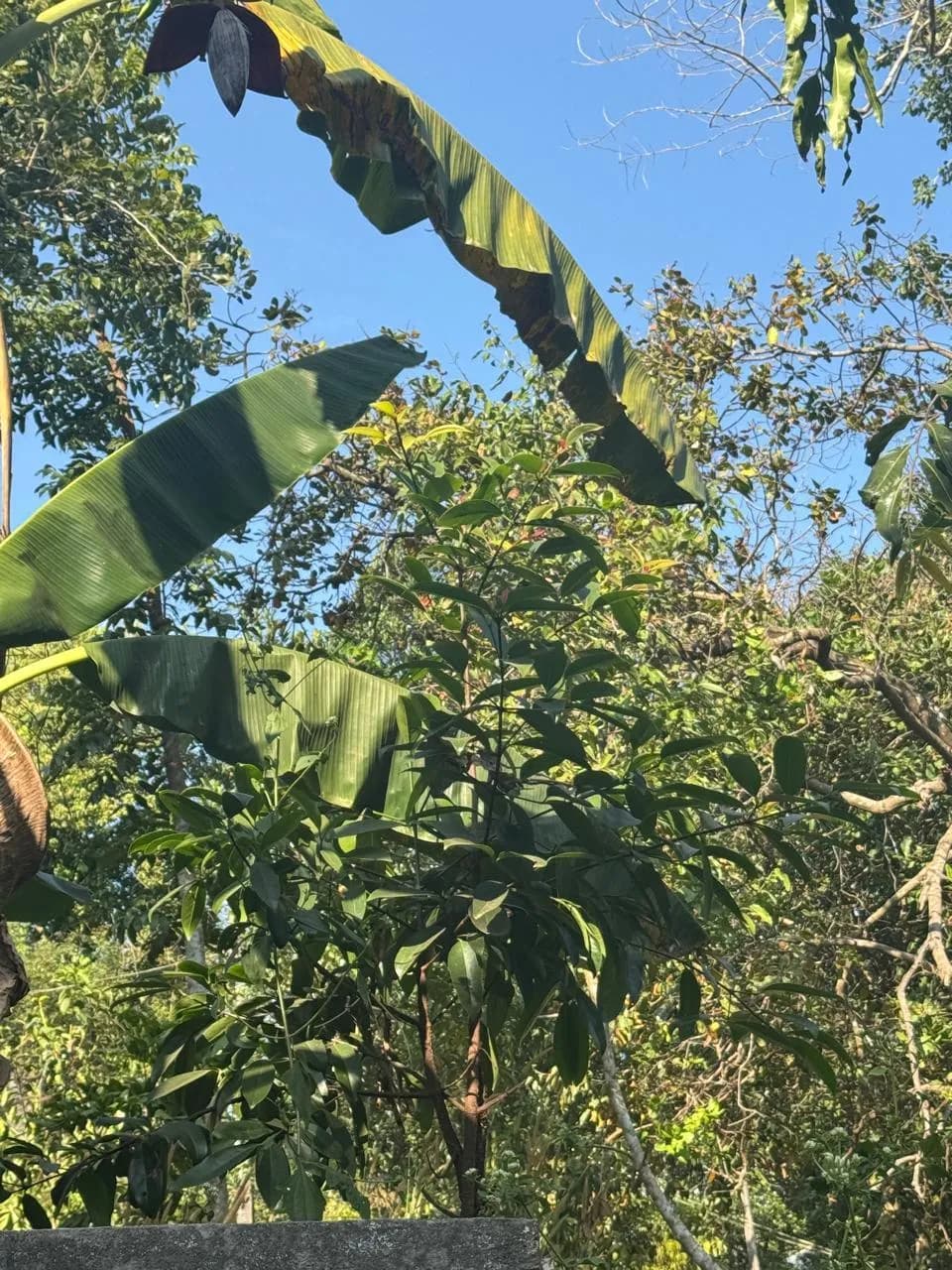
Malabar Tamarind
Garcinia gummigutta (Desr.) Roxb.
Location
Botanical Garden
Family
Clusiaceae (Guttiferae)
Common names
Malabar Tamarind, Garcinia cambogia, Kudampuli (Malayalam), Gambooge
Native range
Western Ghats of India and Sri Lanka
Habitat
Tropical evergreen forests, moist deciduous forests, and hilly regions
Flowering
January-March
Fruiting
January-March
Conservation status
Not globally threatened but considered vulnerable in some local areas due to habitat loss and overharvesting for fruits and resin
About this plant
Garcinia gummigutta is a small to medium-sized evergreen tree or large shrub, typically growing 5–10 metres tall. Bark is smooth, greyish, and exudes a yellowish resin when cut. Leaves are simple, opposite, glossy dark green, elliptic to oblong, and leathery with prominent midribs. Flowers are small, yellowish-green, dioecious (male and female flowers on separate plants), and appear in leaf axils. Fruits are round to slightly pear-shaped, green turning yellow to reddish-brown when ripe, with a thick, acidic rind. Seeds are large, brown, and embedded in the pulpy arils.
Uses
Culinary: The fruit rind is widely used as a souring agent in curries and pickles in South Indian cuisine. Medicinal: Traditionally used in Ayurveda and folk medicine for digestive disorders, obesity, skin problems, and inflammation. The fruit contains hydroxycitric acid, which has been studied for its potential effects on weight management. Other uses: Resin (gamboge) obtained from the tree has been used as a pigment and in traditional medicine.
Growing conditions
Thrives in full sun to partial shade and prefers fertile, well-drained, moist soils
Habit
Evergreen shrub or small tree